Inclusive Training for Every Kind of Learner
Training created for every kind of brain
Every Keys Training® course has been adapted for different types of learners – including neurodivergent attendees and people with disabilities and assessed by accessibility experts to make sure it’s accessible and beneficial for all.
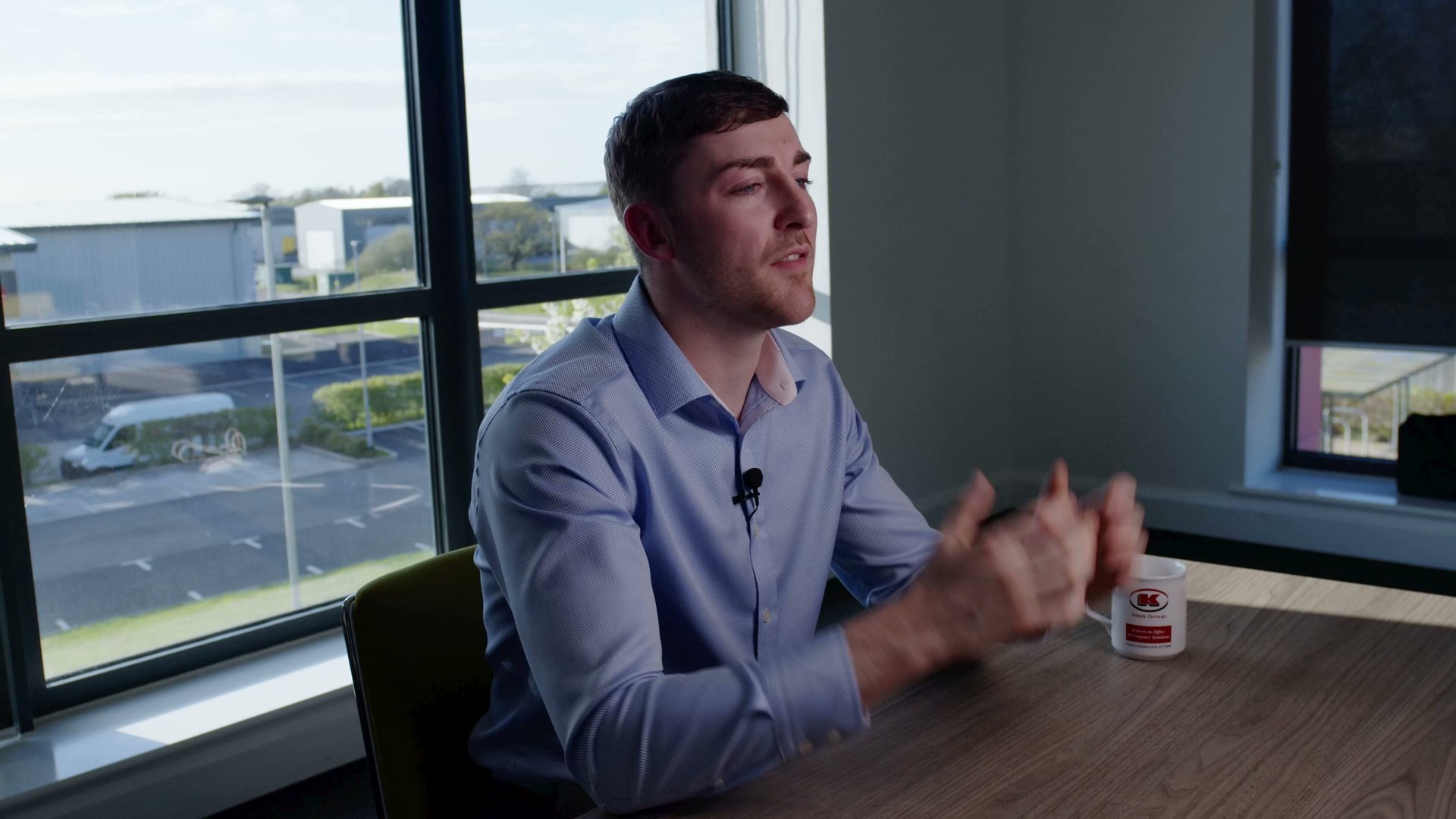
Nobody should have to work harder than everyone else to learn
Around one in seven people in the UK is neurodivergent, and many more live with a disability or health condition that affects how they take in information. A course that only works for one type of learner leaves a big part of your team behind.
That’s why inclusion isn’t an add-on at Keys Training. It’s built into how every course is designed, delivered and reviewed – so the whole room gets the same value from the day.
- Courses adapted for dyslexia, dyspraxia, ADHD and autism
- Adjustments for hearing, visual and mobility impairments
- Support for anxiety, fatigue and other health conditions
- Materials and pace that suit different learning preferences
- Every course assessed by accessibility experts
Keys Training® is a Disability Confident Employer – we practise what we teach, and welcome attendees and colleagues of every ability.
What inclusive training looks like on the day
Small changes in how a course is structured and delivered make a big difference to who can benefit from it.
Clear structure
Each course follows a predictable format with the agenda shared in advance, so attendees know what to expect and when.
Plain language
Jargon is kept to a minimum, instructions are given one step at a time, and key points are repeated and summarised.
Multiple ways to learn
Every topic is explained, demonstrated and then practised – so visual, verbal and hands-on learners all get their turn.
Readable materials
Handouts and slides use accessible fonts, generous spacing and strong contrast, with large-print or digital formats available on request.
Sensible pacing & breaks
Regular breaks and no pressure to keep up – our trainers work at the pace of the people in the room, not the clock.
A safe space to ask
Small groups and approachable trainers mean nobody has to struggle in silence. Questions are welcome at any point.
Real courses, real teams
A few of the groups we’ve trained recently – in boardrooms, offices, warehouses and classrooms across the UK. Every one of these courses was adapted to the people in the room.
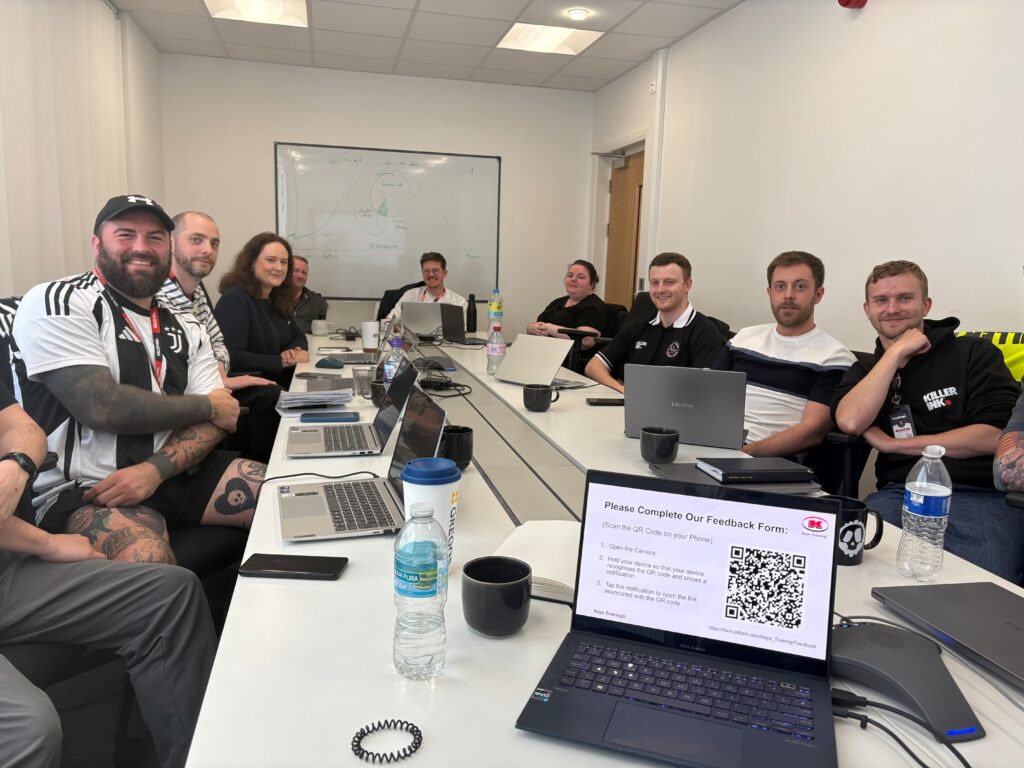
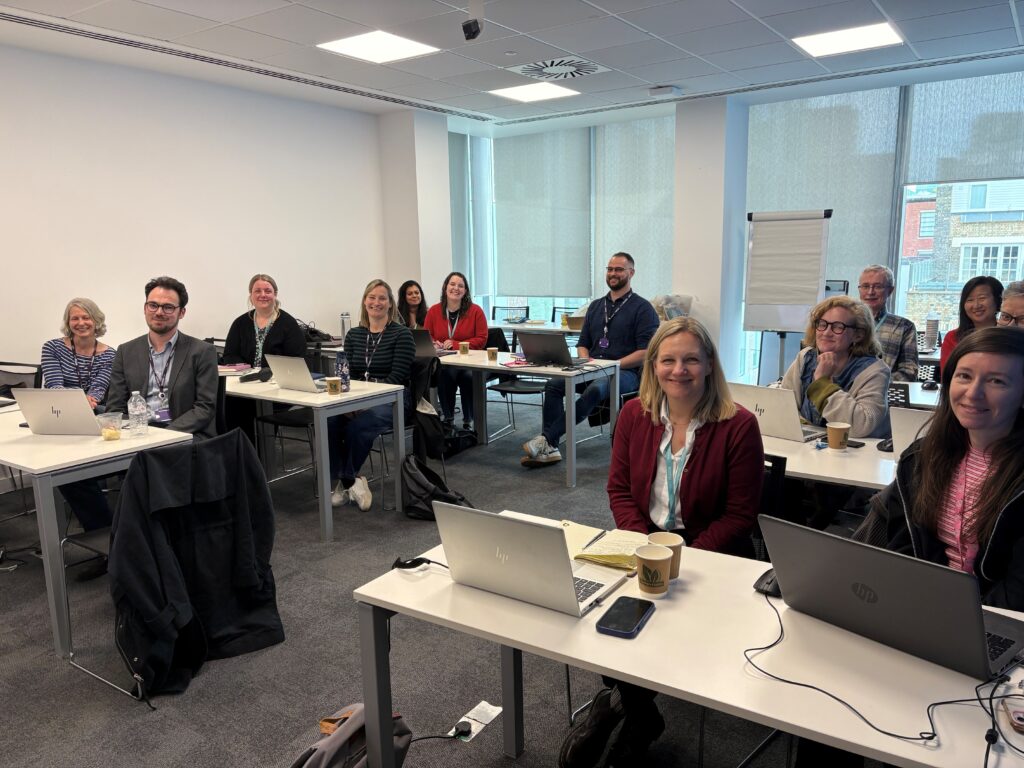
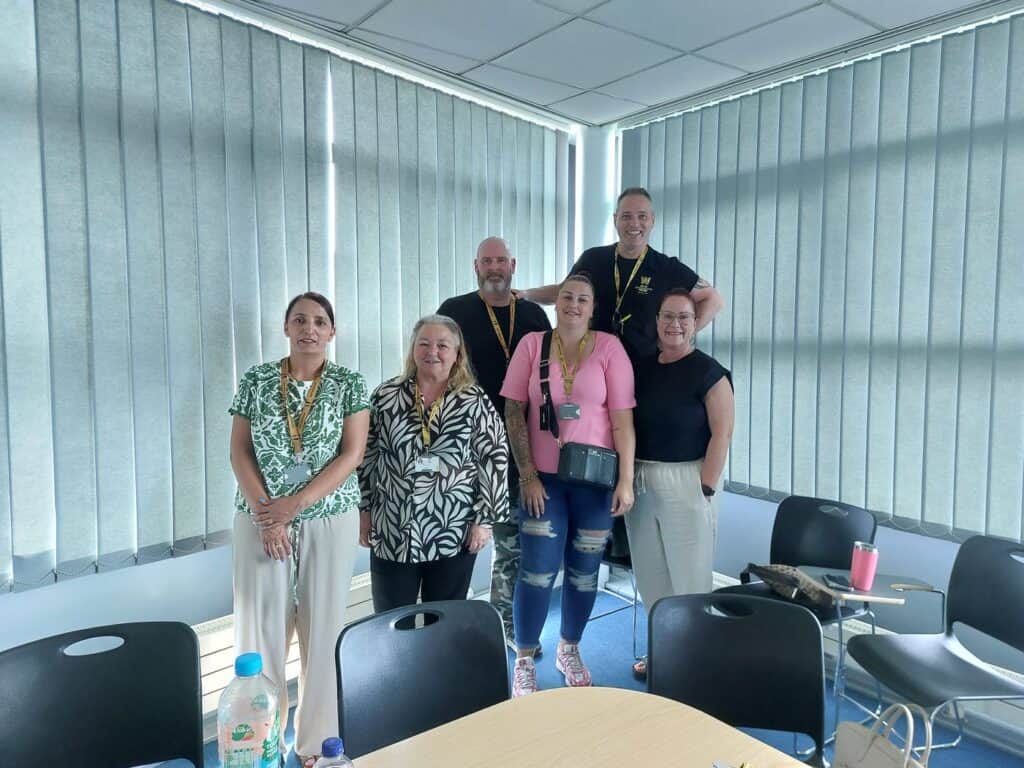
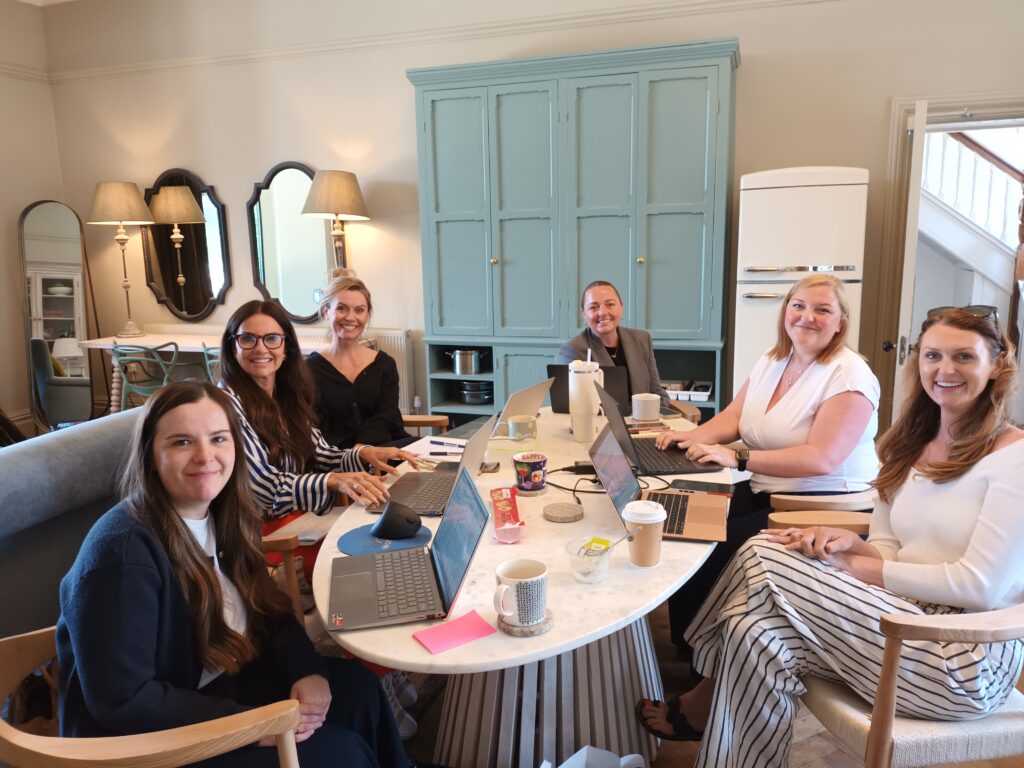
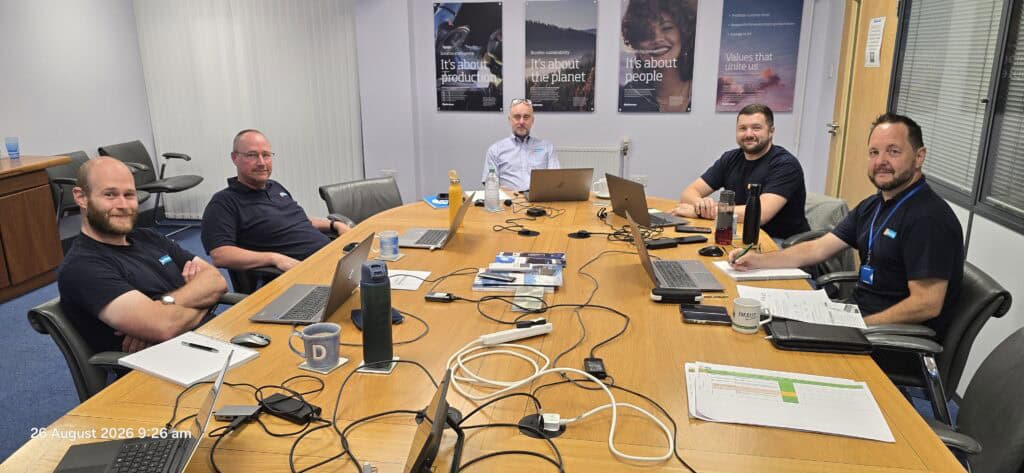
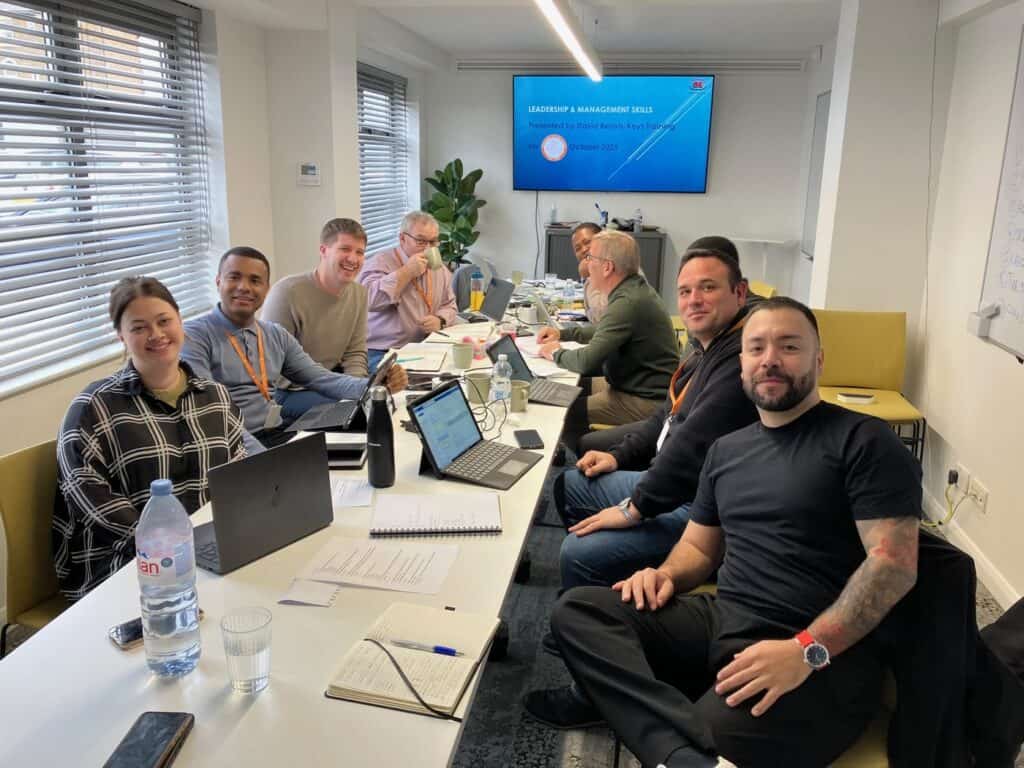
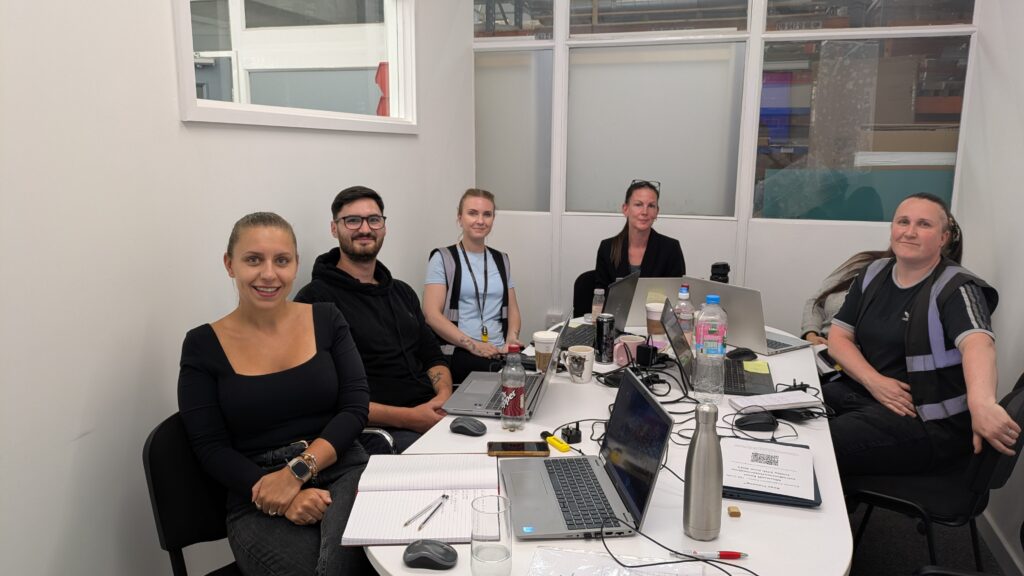

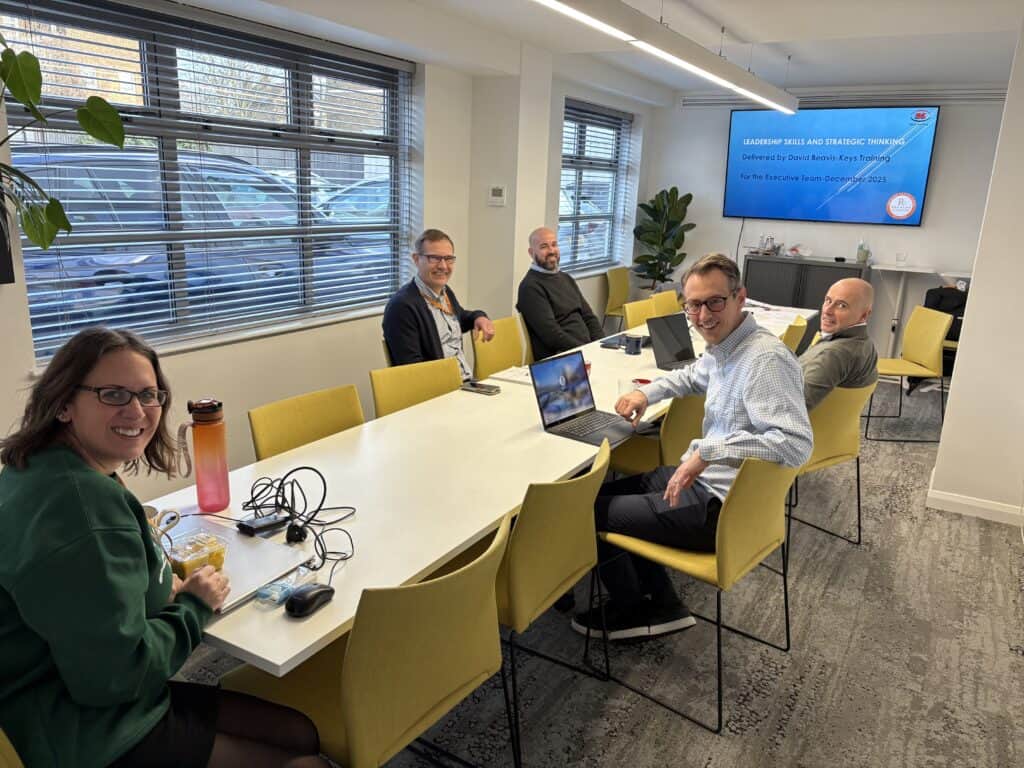
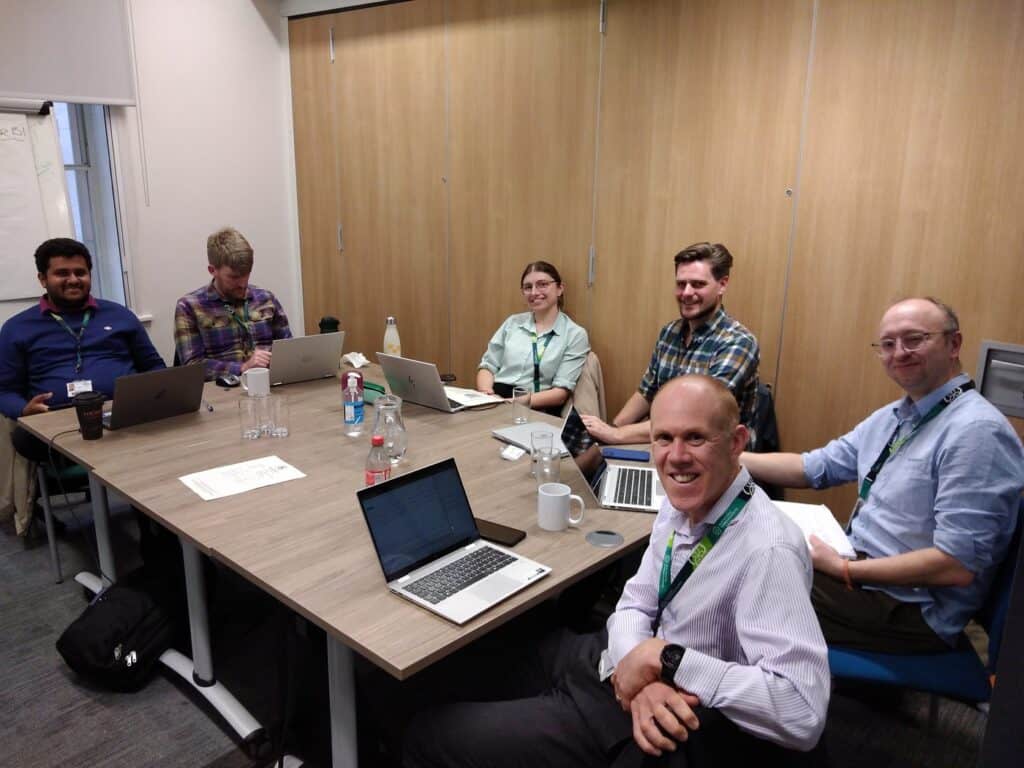
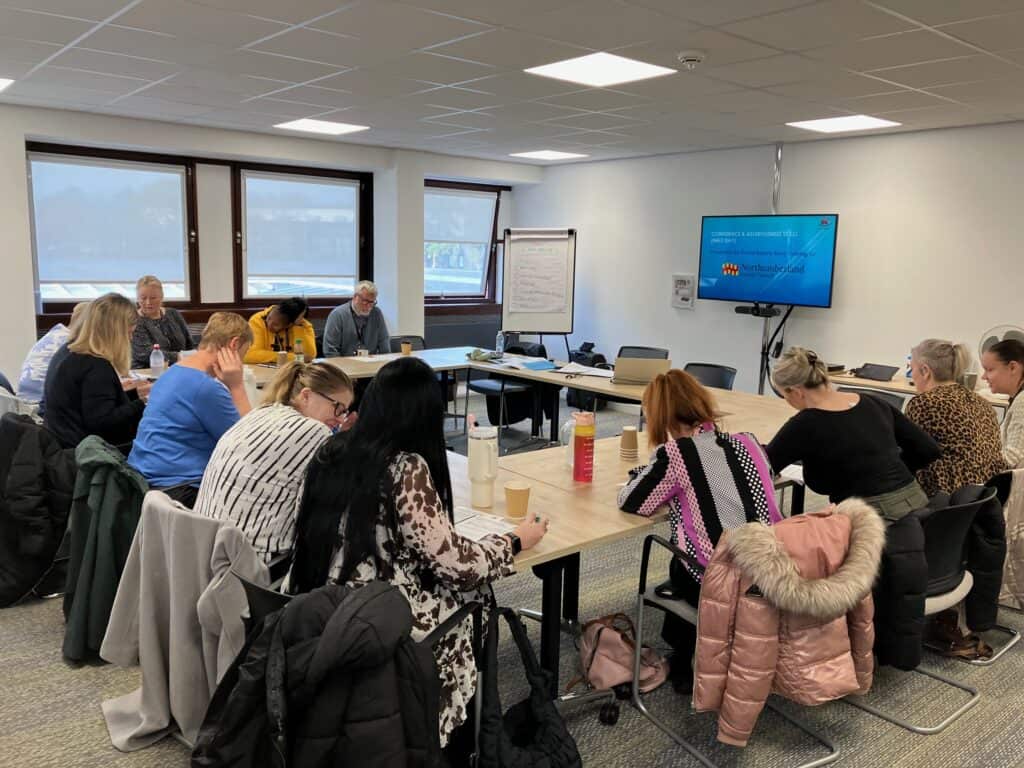
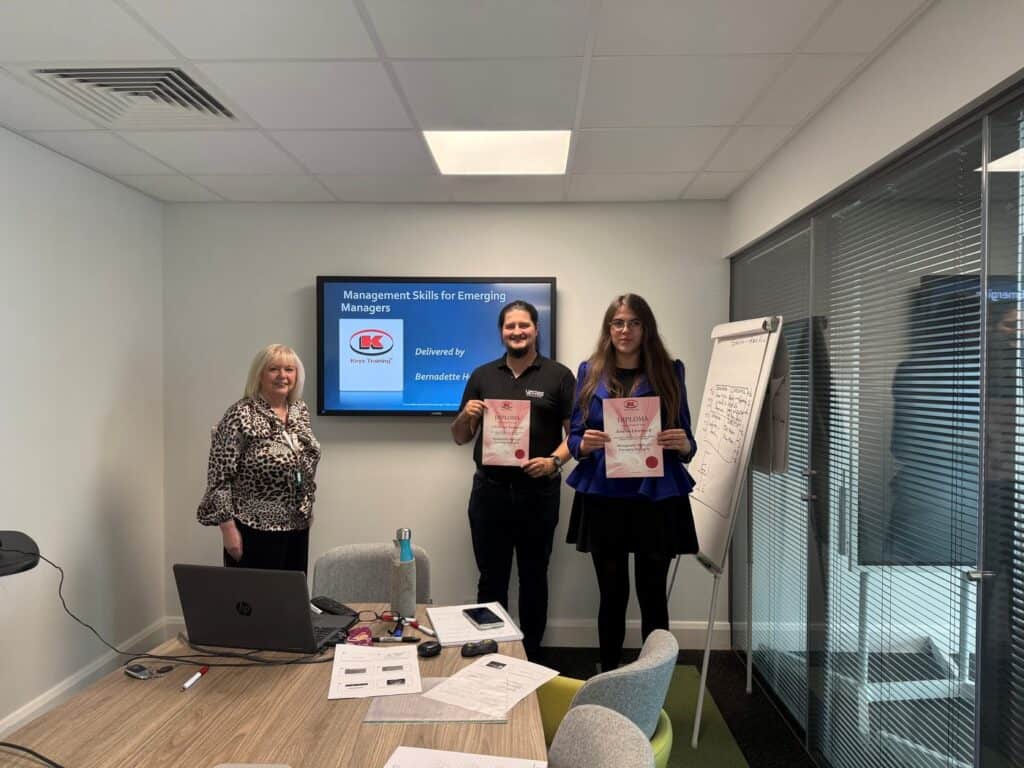
Small groups, approachable trainers and a pace set by the room – not the clock.
Reviewed by specialists, not just good intentions
Every course in our catalogue has been assessed by accessibility experts to make sure it's accessible and beneficial for all learners.
Course review
Content, materials and activities are checked against accessibility and inclusive-learning best practice.
Recommendations
Specialists identify anything that could be a barrier and recommend practical changes.
Adaptation
Courses are updated and trainers briefed so the changes are built into every delivery.
Ongoing feedback
Post-course feedback from attendees is reviewed so we keep improving.
Tell us what would help – we'll make it happen
When you book, just let us know if anyone attending has a specific need. There's no form to fill in and no need to share more than you're comfortable with. Common adjustments include:
- Materials sent in advance, or in large print or digital format
- Extra breaks, a quieter room or a seat near the front
- Captions or hearing-loop compatibility for live online sessions
- Step-free access at our public course venues
- A pre-course chat with the trainer about how best to support an attendee
"It was, in my view, one of the best courses we have organised for us. It was brilliantly structured and presented, and well paced too."Head of Sales & Customer Service – client feedback
Frequently asked questions
Do attendees need to disclose a diagnosis?
No. Just tell us what would help – for example "one attendee finds long presentations difficult" – and we'll adapt accordingly. Anything you do share is treated in confidence.
Does this apply to all Keys Training courses?
Yes. Every course in our catalogue – Microsoft 365, Copilot, management and personal development – has been adapted and assessed.
Does it apply to live online courses as well as classroom?
Yes. Online sessions use the same materials and pacing, and we can enable captions and share materials in advance.
Is there any extra cost for adjustments?
No. Reasonable adjustments are included as standard.
Follow the conversation on LinkedIn
Lewis Tiley, our Training Co-ordinator, posts regularly on LinkedIn about how to make workplace training genuinely inclusive – practical ideas for supporting neurodivergent colleagues, adapting materials and getting the most from every learner in the room.
His posts have reached over 100,000 people, and the same passion runs through every course we deliver.
100,000+post impressions
4,400+followers
Freepractical tips to use in your team

Lewis TileyTraining Co-ordinator, Keys Training®
“Neurodiversity isn’t a problem to fix. It’s a design challenge to solve.”
Posts on: neurodiversity at work · accessible materials · inclusive facilitation · learning & development
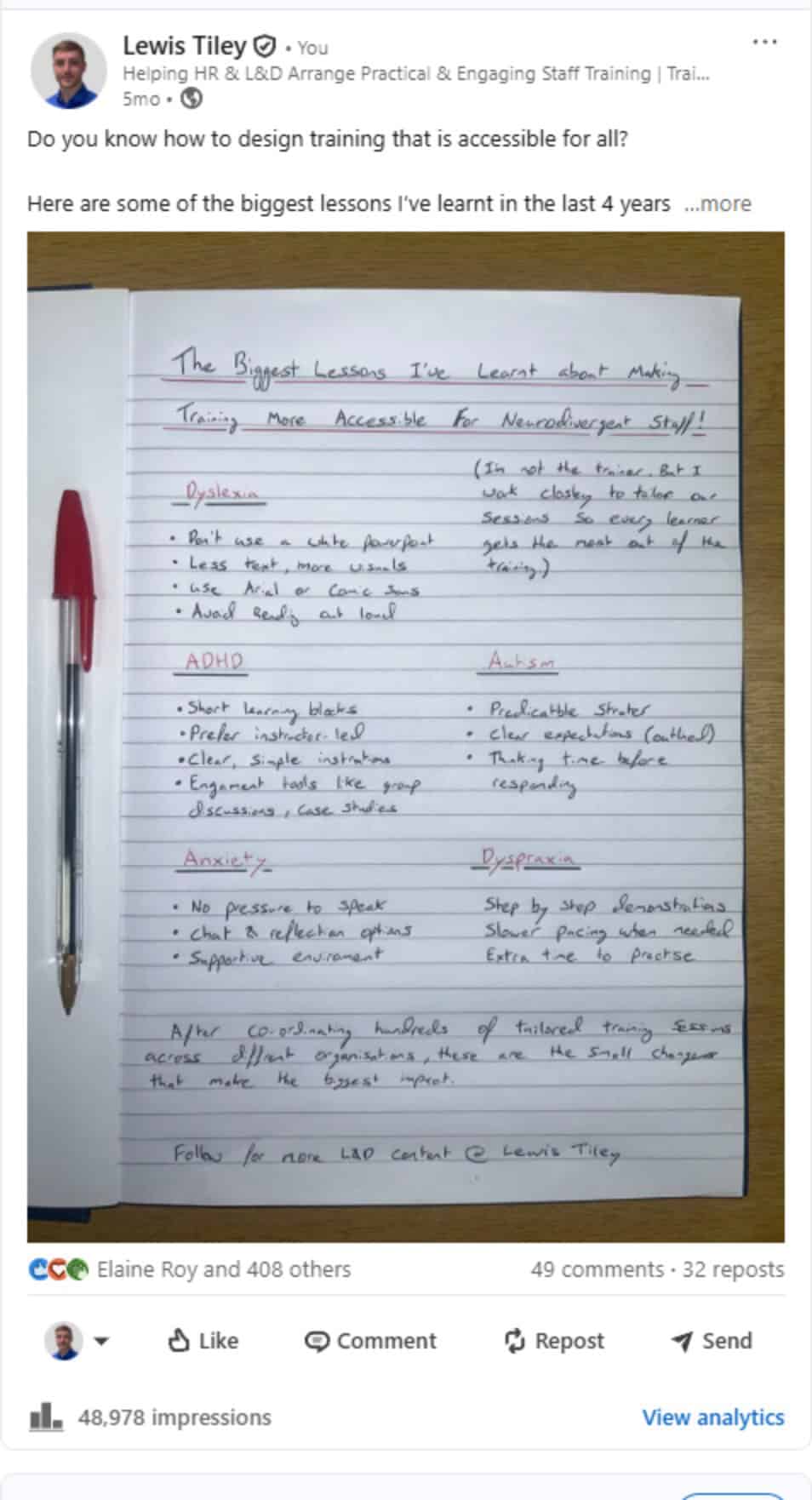 The biggest lessons about making training accessible for neurodivergent staff48,978 impressions · 49 comments · 32 reposts
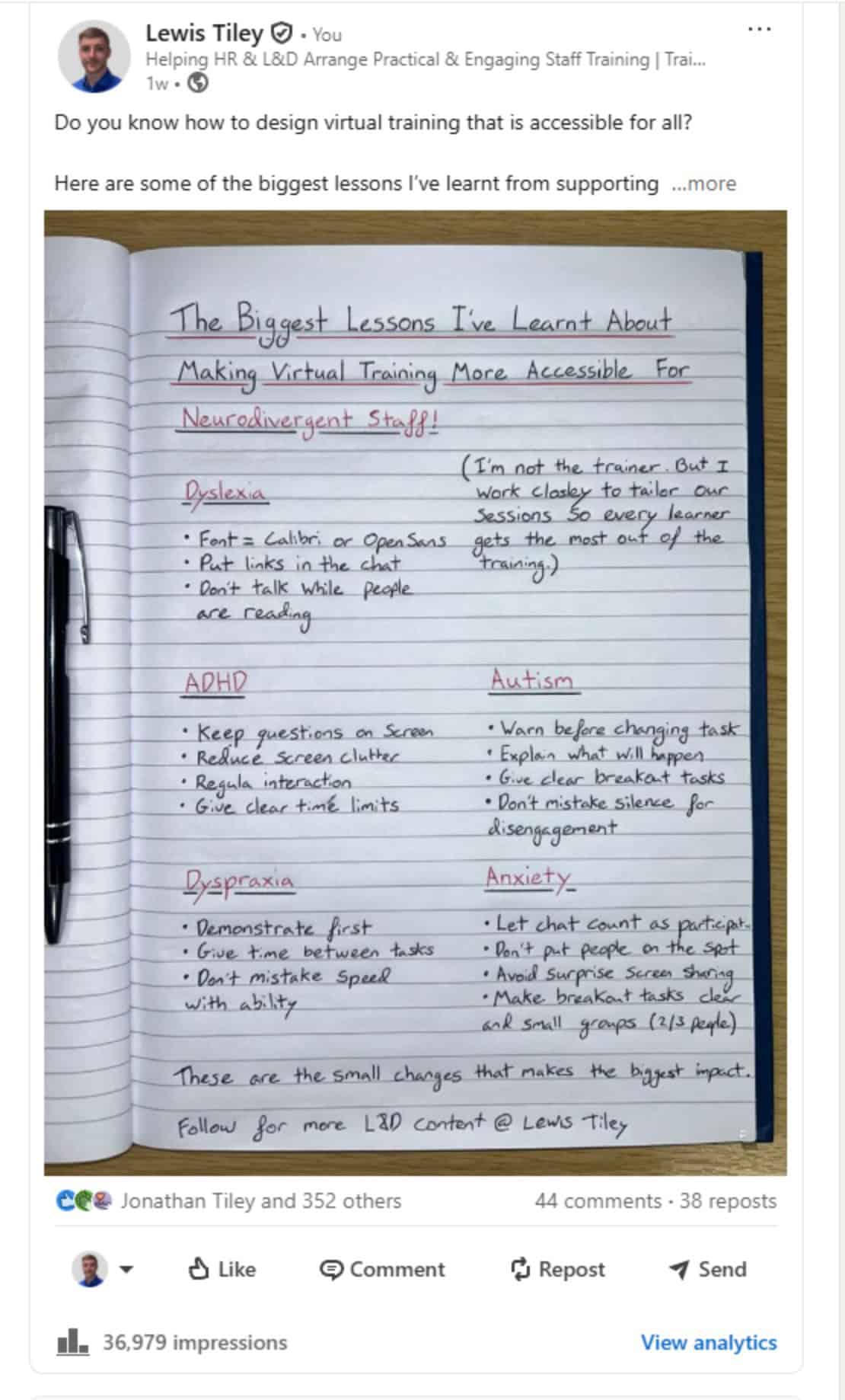 Making virtual training more accessible for neurodivergent staff36,979 impressions · 44 comments · 38 reposts
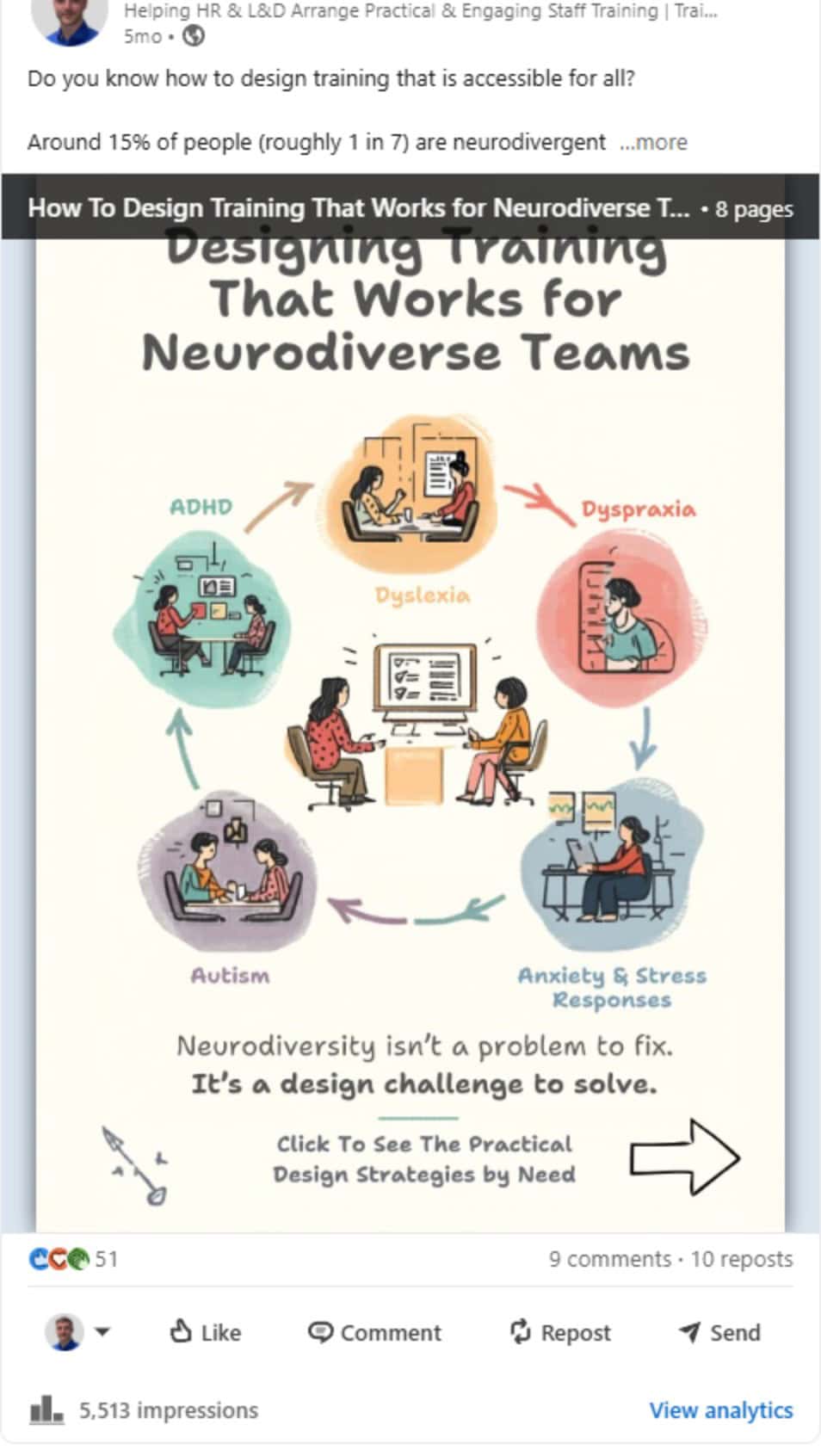 Designing training that works for neurodiverse teams5,513 impressions · 10 reposts
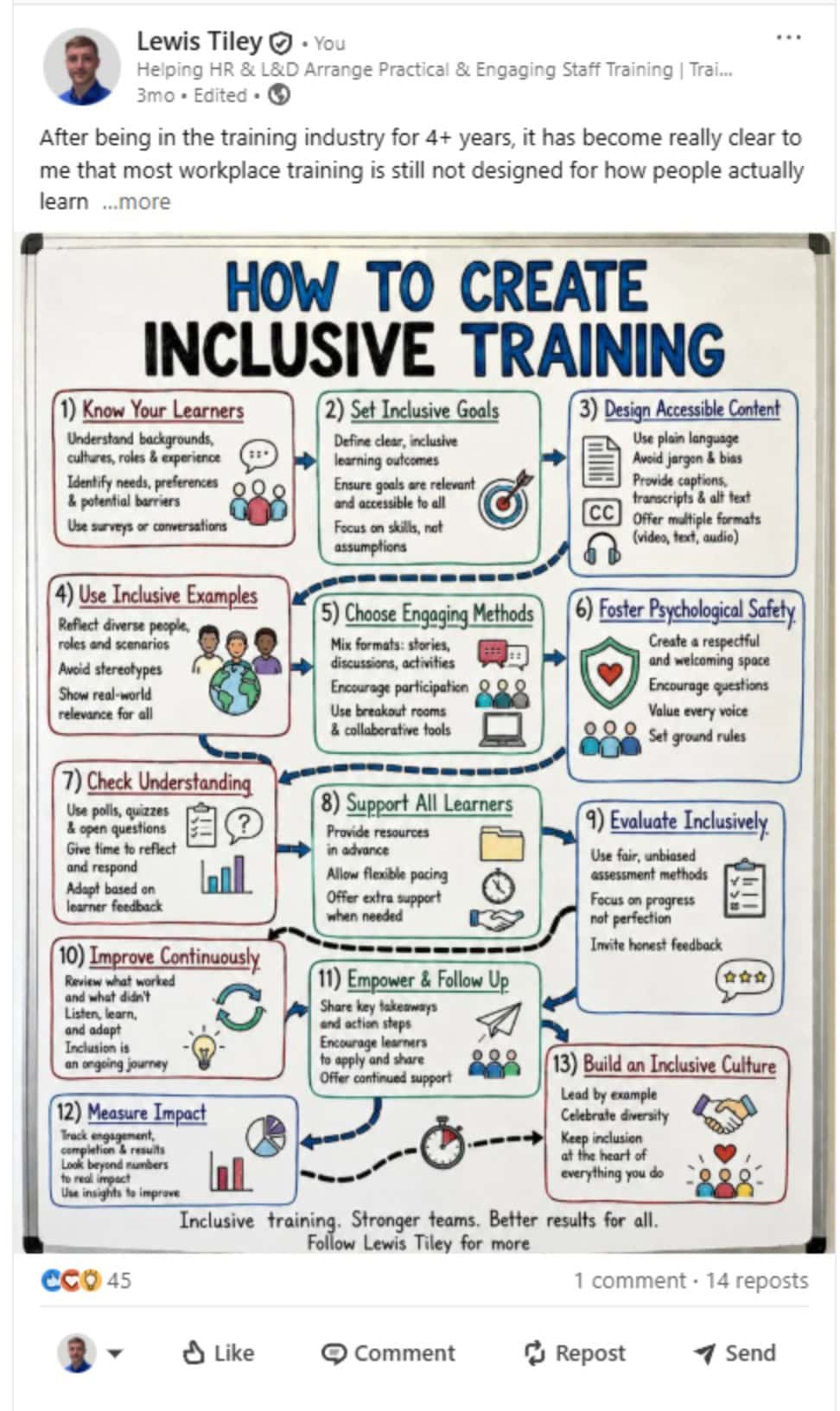 How to create inclusive training – a 13-step guide8,725 impressions · 14 reposts
Let's make your next course work for everyone
Tell us about your team and any needs we should plan for, and we'll take it from there.